
Kitchen Deep Cleaning: The Spots Riverdale Homeowners Always Miss
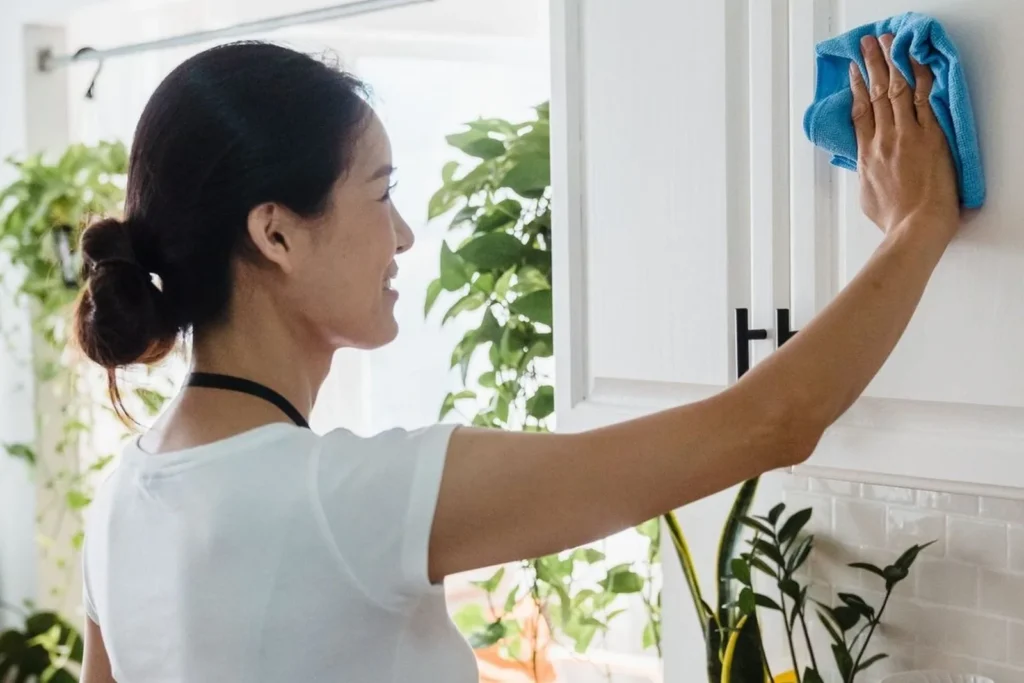
Your kitchen looks clean. The counters are wiped, the dishes are done, the floor got a quick sweep. But run a finger along the top of your upper cabinets, and you’ll probably find a thin, sticky film you didn’t know was there. That film is airborne grease — and in Georgia, where the cooking is good and the humidity keeps everything slightly tacky, it settles faster than most homeowners realize. Wiping down is maintenance. Deep cleaning is restoration: getting the grime out of the places daily cleaning never reaches. Our crews do this work every day across Riverdale, and the same forgotten spots show up in nearly every home. This guide walks you through exactly where to look, what to do about it, and when it makes sense to hand the job to a professional deep cleaning service instead. What “Deep Cleaning” a Kitchen Actually Means A regular clean handles what you can see: counters, sink, stovetop surface, appliance fronts, a quick mop. A deep clean goes one layer further — inside and behind things, plus the sticky and the hidden. Think of it as the difference between tidying up and resetting the room. Professional cleaners estimate a thorough kitchen deep clean takes 60 to 90 minutes for an average-sized kitchen. If it takes you noticeably longer, you’re probably finding the spots this guide is about. A good rule of thumb: if you haven’t deep cleaned your kitchen in the past six months, the hidden layer is there. It’s not a judgment — it’s physics. Grease, steam, and cooking dust don’t ask permission. The 10 Spots Everyone Misses Stand in your kitchen and look around. Now read this list and check each one — most homeowners miss at least half. Try the Crouch-Down Test First Here’s a trick cleaning pros and a very viral Reddit thread agree on: get down low and look at your kitchen from a toddler’s eye level. The lower lip of the counters, the bottom edges of cabinet doors, the floor line behind the trash can, the dust on top of the toaster you never see from standing height — a whole second layer of grime appears. Perspective is the cheapest cleaning tool you own. Do the crouch-down test before every deep clean. It takes 60 seconds, and it turns a vague “I should clean the kitchen” into a specific punch list. The Right Order: Top Down, Dry Before Wet Pros clean kitchens in a specific sequence for a reason — every step is designed so you never re-dirty what you just cleaned: What You Actually Need (and What to Skip) You don’t need a cabinet full of specialty products. For 90% of kitchen deep cleaning, four things do the job: a good degreaser or dish soap, baking soda, white vinegar, and a stack of microfiber cloths. An old toothbrush handles the crevices nothing else reaches. Two warnings from experience. First, never mix cleaning products — bleach plus anything acidic (including vinegar) creates dangerous fumes, and mixing chemicals can deactivate the cleaners you’re counting on. Second, match the product to the surface: vinegar is great on glass and ceramic but can etch natural stone like marble and granite, so use mild dish soap on stone counters. When in doubt, test a hidden spot first. When to Hand It to the Pros DIY deep cleaning is completely doable — until it isn’t. Call in help when the grease has been building for a year or more and is genuinely baked on (stove interiors, range hood housings, cabinet faces near the fryer), when you’re out of time before guests arrive or a move, or when the job involves heights, heavy appliances, or anything you don’t feel safe doing yourself. There’s also the honest math: a full kitchen deep clean eats most of a Saturday. If your weekend is worth more to you than the cost of a visit, that’s not laziness — it’s the exact trade-off a regular house cleaning schedule is built on. And if you’re already staring at a holiday deadline or a surprise visit, our same-day cleaning team exists for exactly that moment. Want it done right, once? Call Fistfullofsudz at (770) 733-6076 for a free quote — deep cleans, regular plans, and same-day visits across Riverdale and Clayton County. Frequently Asked Questions How often should I deep clean my kitchen? Twice a year is the baseline for most homes — spring and fall work well. If you cook daily, fry food often, or have a busy household, every three to four months keeps grease from building to the baked-on stage. The range hood filter and dishwasher filter deserve attention every month or two regardless. What is the hardest thing to clean in a kitchen? Baked-on oven grease and the sticky film on cabinet faces near the stove, hands down. Both come from months of heat-fused grease, and both respond to the same strategy: a real degreaser, generous dwell time, and patience — not harder scrubbing, which damages finishes. How do I get rid of the sticky feeling on my kitchen cabinets? That tacky film is airborne cooking grease mixed with dust. Wipe it with warm water and a degreasing dish soap, changing your cloth often so you don’t just spread it around. For stubborn buildup, a baking soda paste left on for 10 minutes before wiping works well. Prevent it by running the range hood fan every time you cook. Why does my kitchen still smell after I clean it? The usual suspects: the garbage disposal’s splash guard (scrub the underside), the dishwasher filter, the trash bin and the wall behind it, and old sponges. Smells also hide in fridge drip trays and under the rubber seals of small appliances. If the whole kitchen smells stale, check the top of the fridge and the grease on the range hood filter. Can I deep clean my kitchen in one day? Yes — plan 60 to 90 minutes for the kitchen alone, plus breaks. Work
Bathroom Mold and Mildew? Here’s How to Beat It in Humid Georgia Homes
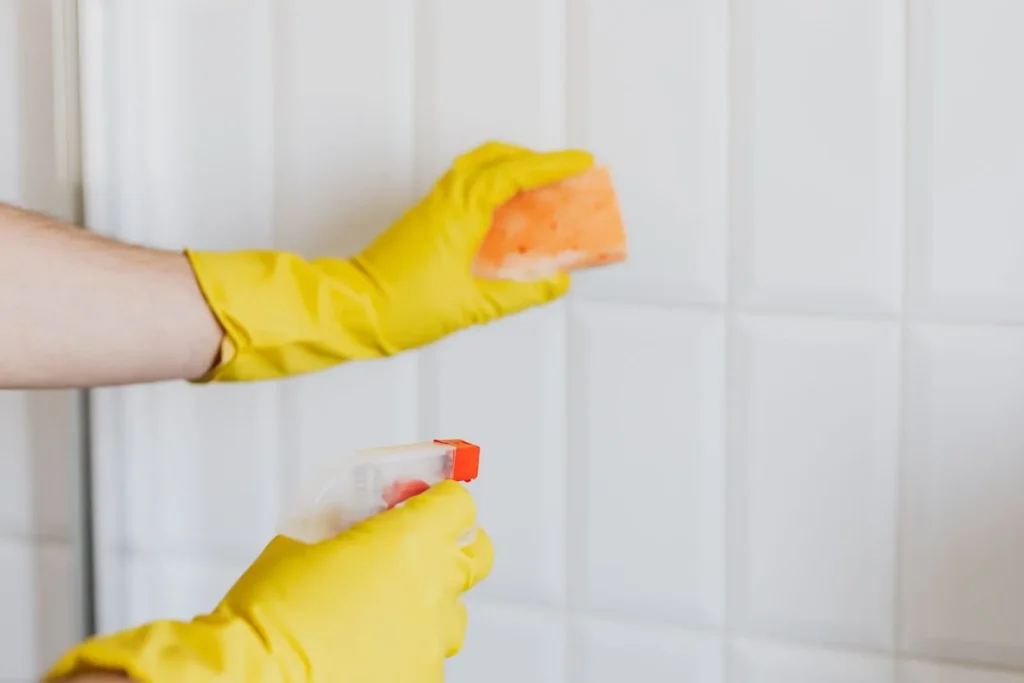
See those gray-black freckles creeping along your shower grout? That is mold and mildew, and in Riverdale, GA, they are practically a year-round house guest. Georgia’s humidity keeps indoor moisture high for months at a time, and bathrooms — steamy, warm, full of porous grout and caulk — are exactly where mold wants to live. The good news: most bathroom mold is a surface problem, and surface problems have simple fixes. The trick is knowing which spots you can handle yourself, which ones need a second pass, and when it is time to call in help. Our crews see Georgia bathrooms every day through our regular house cleaning visits, and this guide is the same advice we give homeowners between visits. Why Georgia Bathrooms Grow Mold So Fast Mold only needs two things: moisture and something to eat. A bathroom hands it both — daily steam, plus soap scum and skin oils that collect in grout lines and caulk. In humid climates like ours, the air itself keeps surfaces damp long after the shower ends. UGA Extension advises keeping indoor humidity below 60%, but many Georgia bathrooms sit well above that after every hot shower. Grout and caulk make it worse. Both are porous, so moisture and mold roots sink in where surface wiping cannot reach. That is why the same spots turn dark again a few weeks after you scrubbed them. Killing the visible mold without drying out the root cause is like mowing weeds — they come right back. The 15-Minute Habit That Prevents Most Mold Ask any cleaning professional what matters most against bathroom mold, and you will not hear a product name first. You will hear “ventilation.” Run the exhaust fan during every shower — and leave it on for 20 to 30 minutes after. No fan? Crack the bathroom window and leave the door open after you bathe. Check that your fan actually pulls air — a clogged or tired fan gives false confidence. Wipe down the shower walls and glass with a squeegee after each use. That last one takes about five seconds and removes the standing water mold feeds on. Homes that follow these four steps see dramatically less regrowth than homes that scrub harder but never dry the room. Your Mold-Fighting Kit (Nothing Fancy) You do not need expensive specialty products. Pros reach for simple things: Undiluted white vinegar in a spray bottle Baking soda 3% hydrogen peroxide A stiff grout brush or an old toothbrush Microfiber cloths and a squeegee Rubber gloves and a dust mask Safety note: never mix cleaners. Bleach mixed with vinegar or ammonia creates dangerous fumes, and random chemical cocktails can destroy the very cleaners that work. Pick one approach per spot and let it do its job. Grout and Tile: Where Mold Lives Most Spray discolored grout with undiluted white vinegar, let it sit 30 to 60 minutes, then scrub with the grout brush. For stubborn lines, sprinkle baking soda on the damp grout before scrubbing — the mild abrasion lifts what vinegar loosened. Rinse with warm water and dry the area with a towel. Hydrogen peroxide (3%) works well on lighter-colored grout: spray it on, wait 10 minutes, scrub, rinse. Always spot-test first on colored grout, and ventilate the room while you work. Caulk, Curtains, and Ceilings Caulk: If black spots sit on top of the caulk, vinegar and scrubbing usually clear them. But if the discoloration runs through the caulk, cleaning will not reach it — mold has grown into the material. Cut out the old bead, let the joint dry fully, and re-caulk with a mildew-resistant silicone. Shower curtains: Be honest with yourself here — moldy curtains rarely come fully clean, and they re-grow fast. Replace inexpensive liners and wash fabric curtains in hot water. If your home has a glass door instead, that is one less mold haven to maintain. Ceilings: Bathroom ceiling mold means humid air is not leaving the room, so fix the ventilation first. Spray the patch with vinegar, let it sit, and wipe clean. If the mold keeps returning in the same spot, repaint with a mold-resistant primer and bathroom paint once the area is fully dry. The Spots Everyone Misses Mold thrives in the places you never look at: Shower door tracks — standing water sits here for days. Scrub with a toothbrush and dry the track after cleaning. Under the sink cabinet — slow plumbing drips create hidden mold factories. Check fittings now and then. The exhaust fan cover — dust on the grille chokes airflow. Wipe it down so the fan can do its job. Behind the toilet base — condensation collects here; a quick wipe during bathroom cleaning prevents pink-and-gray film. Bath mats and towels — hang them to dry fully between uses and wash them in hot water regularly. That pink or orange slime around drains and fixtures is usually bacteria, not mold — still worth scrubbing, but it responds to different cleaners and is not a health concern the way heavy mold is. What NOT to Do Do not paint over active mold. It keeps growing underneath and shows through within months. Do not assume bleach solves porous surfaces. Bleach can lighten mold on hard tile, but it does not kill roots in grout or drywall — and it can damage some finishes. Do not skip drying. Scrubbing without fixing ventilation or airflow guarantees the mold returns. Do not ignore a returning patch. Mold that comes back in the same place after real cleaning is telling you there is a moisture source to find — a leak, a dead fan, or humidity that needs a dehumidifier. When to Call a Professional Most bathroom mold is a DIY job. Call for help when: The moldy area covers more than about 10 square feet. Mold returns quickly even after thorough cleaning and real ventilation. You smell mold but cannot find it — it may be inside walls, under flooring, or in ductwork. Anyone
How to Get Rid of Pet Odors and Keep a Clean Home With Pets: A Riverdale, GA Guide
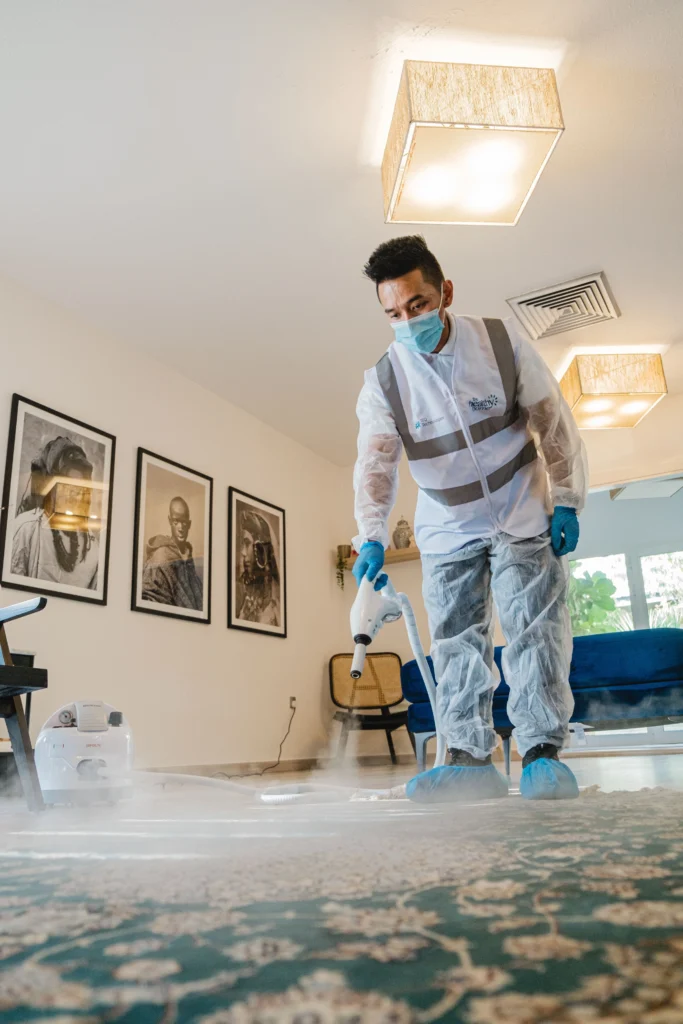
If you share your home with a dog or a cat, you already know the truth: pet odors are one of the most stubborn cleaning challenges a homeowner can face. Here in Georgia, it gets even trickier. Our humid climate can reactivate urine odors that seemed long gone, and pet fur tracks pollen and dust right back inside. The good news? With the right approach, you can keep a fresh, clean-smelling home — even with pets. This guide walks you through proven do-it-yourself methods and explains exactly when it’s time to call a professional. Why Pet Odors Are Tougher in Georgia Homes Pet odor isn’t just a surface problem, and Georgia’s climate gives it an extra edge. Understanding why odors persist is the first step toward truly getting rid of them. Humidity reactivates uric salts. When pet urine dries, it leaves behind uric acid crystals. Every humid day causes those crystals to release odor all over again — which is why a spot that seemed fine in winter can smell terrible by July. Fur tracks Georgia pollen and mold spores indoors. Your pet’s coat collects outdoor allergens and carries them into your carpets, upholstery, and bedding. Odors penetrate deep. Liquids don’t stop at the carpet fibers. They soak through into the carpet padding and sometimes the subfloor, where everyday surface cleaning never reaches. How to Find the Source of Pet Odors Before you can treat an odor, you have to find where it’s coming from. Pet urine spots are often invisible to the naked eye, especially on patterned or darker carpet. Use a black light. In a darkened room, a UV black light will make dried urine spots glow — it’s the simplest way to find hidden problem areas. Check the padding, not just the surface. Lift a corner of the carpet near suspect areas. If the backing or padding is stained or smells, surface cleaning alone won’t fix it. Search the usual hiding spots. Check under furniture, along baseboards and corners, behind doors, and around pet beds. Pets often return to the same quiet spots. DIY Methods That Actually Work For fresh spots and general pet smells, these do-it-yourself methods genuinely work — when used correctly. Enzyme cleaners are the gold standard. These products contain live enzymes that break down uric acid and proteins in urine, eliminating the odor at its source rather than just masking it. Saturate the area thoroughly, let it work for the time listed on the label, and keep pets away until it’s dry. Baking soda for general odors. Sprinkle baking soda liberally over carpets and upholstery, let it sit for several hours or overnight, then vacuum thoroughly. It absorbs everyday pet smells remarkably well. Vinegar solution for fresh spots. Mix equal parts white vinegar and water, blot up as much of the spot as possible first, then apply the solution. Vinegar neutralizes the ammonia scent in fresh urine — but test it on an inconspicuous area first. What NOT to use: avoid ammonia-based cleaners. They smell similar to urine to your pet and can actually attract your pet back to the same spot. Skip steam cleaners on urine stains, too — the heat can permanently set the odor and stain. Keeping Your Home Fresh With Shedding Pets Odor control with pets is mostly about routine. A few consistent habits make a dramatic difference. Vacuum frequently. Pet owners should vacuum high-traffic areas at least twice a week, using a vacuum with a HEPA filter to trap dander and fine particles. Wash pet bedding regularly. Pet beds collect oils, dander, and odor. Wash them every one to two weeks in hot water. Use lint rollers and furniture covers. Washable furniture covers protect upholstery, and a quick pass with a lint roller keeps fur from building up. Run an air purifier. A quality air purifier with a HEPA and activated carbon filter helps remove airborne dander and odor particles from your home. When DIY Isn’t Enough: Professional Pet Odor Removal Some odors are simply beyond what household products can handle. Years of accidents, odors trapped deep in padding and subfloor, and recurring smells that keep coming back all point to one thing: it’s time for professional help. Professional deep carpet extraction reaches all the way into the carpet padding and subfloor where DIY cleaners can’t go. Professional-grade enzyme treatments break down odor compounds at a level store-bought products can’t match, and commercial equipment removes the deep-down residue that keeps reactivating in Georgia’s humidity. If you’re dealing with persistent odors, old stains that never fully went away, or household members whose allergies keep flaring up, calling Fistfullofsudz is the smart move. Our pet odor removal service gets deep into carpet fibers, padding, and upholstery to eliminate odors for good — not just cover them up. Ready for a fresher home? Call (770) 733-6076 today for a free estimate. Frequently Asked Questions How long does pet odor stay in a house? Pet odor can linger indefinitely if the source isn’t fully removed. Uric acid crystals from urine can remain active for years, especially in humid climates like Georgia’s, where moisture reactivates them. Until the source — including the carpet padding — is properly treated, the smell will keep coming back. Will pet urine smell come out of old carpet? It depends on how deep the damage goes. If urine reached the padding or subfloor, surface cleaning won’t be enough. Professional extraction and enzyme treatments can often save the carpet, but in severe cases, replacing the padding may be the only complete fix. How often should pet owners deep clean carpets? Most pet owners should have their carpets professionally deep cleaned every 6 to 12 months. Homes with multiple pets, shedding breeds, or past urine accidents may need it more often to keep odors and allergens under control. Are enzyme cleaners safe for pets? Most enzyme cleaners are pet-safe once dry, but always read the label and keep pets away from treated areas until they’re completely dry. Look for
Deep Cleaning vs Regular Cleaning: Which Does Your Home Need?
Most Riverdale homeowners ask us this before their first booking, and it is the right question to ask. Book the wrong one and you either pay for detail you did not need, or end up with a tidy-looking home that still feels overdue underneath. Here is the plain difference, and how to choose. What a Regular Clean Keeps Steady A regular clean is your maintenance visit — the one that keeps a home feeling calm week after week. It covers the rooms you live in most, done the same careful way each time. This is the visit most families in Riverdale and Jonesboro book weekly or biweekly. Our House Cleaning Service page lists exactly what is included, room by room. House Cleaning Service What a Deep Clean Adds on Top A Deep Cleaning Service does everything a regular clean does, then goes after the buildup that slowly collects out of sight. Deep Cleaning Service Think of it as a reset. Most homes need it once or twice a year, before a regular schedule starts, or after a busy season with guests, pets or renovations. Neither service includes carpet shampooing, exterior windows or wall washing — if you need those, ask when you book and we will tell you honestly what we can arrange. A Simple Way to Decide You probably need a deep clean first if any of these sound familiar: If none of those fit and your home just needs keeping up, a regular clean is enough — and it costs less per visit because the home stays in shape. The spots regular cleaning skips — vents, baseboards, behind and under furniture — are exactly where dust and pet dander build up, which is why homes often feel fresher after a deep clean, not just look it. What Each One Costs, Honestly A deep clean takes longer, so it is priced higher for that first visit. After the reset, regular visits are faster and usually land at a lower per-visit price, especially on a weekly or biweekly schedule. We confirm your exact price before we start, based on home size and condition — call (770) 733-6076 and we will price it clearly. If cost is your main question, our guide on house cleaning cost in Riverdale breaks down typical ranges. house cleaning cost in Riverdale In short: a deep clean is the reset — several hours of detail work, booked once or twice a year or every 3 to 6 months. A regular (standard) clean is the maintenance — a faster visit, weekly or biweekly, that keeps the reset from fading. Most first-time deep cleans take about 3 to 6 hours; a regular visit in an average Riverdale home takes about 1.5 to 3 hours. The Order Most Riverdale Homes Follow Almost every happy long-term customer follows the same simple pattern: one deep clean to reset the home, then regular cleans to keep it there. It is cheaper over a year than booking deep cleans only when things feel overdue, and the home never swings between spotless and stressful. You can see both options side by side on Our Services, or talk it through with us on Contact Us. We will tell you honestly which one fits — even if that is the cheaper one. Our Services Contact Us FAQs Is a deep clean worth it before regular service? Yes. Starting from a reset means regular visits stay faster and cheaper, and nothing gets missed from week one. How often should a home get a deep clean? Most Riverdale homes do well with one or two deep cleans a year, plus regular visits in between. Does a deep clean include inside appliances? Yes — oven, fridge and microwave interiors are part of our deep clean, along with cabinet fronts and baseboards. Can I book a regular clean first and upgrade later? Of course. Many customers start regular, then add a deep clean before holidays or guests. Can I add inside-oven or fridge cleaning to a regular visit? Yes. Many customers add one or two deep-clean tasks to a regular visit instead of booking a full deep clean — just mention it when you book.