
Janitorial Services vs Commercial Cleaning: What’s the Difference for Riverdale Businesses?
Janitorial Services vs Commercial Cleaning: What’s the Difference for Riverdale Businesses? If you have ever asked three cleaning companies for a quote and gotten three different answers, you are not alone. “Janitorial services” and “commercial cleaning” get used interchangeably so often that even people in the industry define them differently. That confusion costs business owners real money — you can end up paying for a deep, project-style clean when all you needed was a reliable nightly routine, or hiring a basic crew and wondering why your floors never actually recover. Here is the plain-English difference, and how to tell which one your Riverdale business actually needs. The Short Answer: Janitorial Is the Routine Layer Think of it this way: janitorial service is the cleaning that keeps your workplace at standard, day after day. Commercial cleaning is the wider category — it includes that routine work plus the deeper, periodic, and specialty jobs that happen less often. Our janitorial cleaning services in Riverdale are built around that routine layer: a scheduled crew, a fixed checklist, and the same dependable result on every visit. When a Riverdale office, shop, or restaurant books janitorial service, they are buying consistency — a workplace that looks and feels clean every single morning, not just on the days someone remembers to call a cleaner. What Janitorial Services Actually Cover A janitorial visit covers the everyday tasks a busy workplace generates. The exact checklist depends on your building, but a standard visit usually includes: The defining trait is rhythm. Janitorial work happens on a schedule — nightly, several times a week, or weekly — so dirt never gets the chance to build up. A small office in Riverdale might need two visits a week, while a busy restaurant or medical facility often needs nightly service. Frequency is driven by foot traffic, not by square footage alone. What Commercial Cleaning Adds on Top Commercial cleaning covers everything above, plus the work that routine visits cannot handle. These are the periodic and specialty jobs: These jobs need heavier equipment, stronger solutions, and more time — which is why they are scheduled monthly, quarterly, or a few times a year rather than every night. A good commercial cleaning service bundles both layers into one program: the routine crew keeps things at standard, and the periodic crew restores what daily use wears down. Janitorial vs Commercial Cleaning at a Glance Here is how the two compare, side by side: Neither is “better.” They do different jobs, on different rhythms, and most workplaces need both in some proportion. Which One Does Your Riverdale Business Need? It depends on how your space is used, and how many people pass through it each day: If you are unsure about frequency, start with the room your visitors judge hardest — almost always the restroom — and work outward. Our guide to how often an office should be cleaned breaks frequency down by business type in more detail. Why Most Workplaces Need Both Here is the mistake we see most often: a business hires a janitorial crew, skips the periodic work, and then wonders why the carpets look tired and the floors have lost their shine after a year. Routine cleaning maintains; it does not restore. Vacuuming keeps a carpet presentable, but only extraction pulls out what vacuuming leaves behind. Mopping keeps a hard floor clean, but only machine care brings back the finish. The reverse mistake is just as common: paying for deep cleans every month while nobody empties the bins or restocks the restrooms in between. Deep work cannot substitute for daily upkeep. The smart setup is a single program with both rhythms: a janitorial schedule that never slips, plus a short calendar of periodic jobs — carpet extraction, floor care, window cleaning — booked in advance so nothing gets forgotten. One provider, one checklist, one point of contact. What to Ask Before You Hire When you compare quotes in the Riverdale area, compare the scope, not just the price. Ask every company: A quote that lists tasks and frequencies is worth far more than a cheaper quote that just says “office cleaning.” If a company cannot tell you what happens on a Tuesday night visit versus a quarterly visit, keep looking. Frequently Asked Questions Is janitorial cleaning the same as office cleaning? Not quite. Office cleaning is often a lighter, surface-level service for small offices. Janitorial service is a fuller recurring program — restrooms, floors, trash, break rooms, and high-touch disinfection — built for workplaces that need consistent, scheduled upkeep. Do I need both janitorial and commercial cleaning? Most businesses do, in different proportions. Janitorial handles the daily and weekly routine; commercial cleaning adds the periodic deep and specialty work. One provider can usually deliver both under a single program. How often should janitorial cleaning be scheduled? It depends on foot traffic. Small offices often do well twice a week, while restaurants, retail stores, and medical facilities usually need daily or nightly service. Your provider should recommend a schedule after walking your space. Are janitorial services done after hours? Usually, yes. Most janitorial crews work after closing, early in the morning, or on weekends, so cleaning never disrupts your workday. Daytime porter service is also available for high-traffic buildings that need restroom checks and touch-ups during business hours. What does a janitorial quote depend on? Facility size, visit frequency, and the task checklist. A small office cleaned weekly costs far less than a large retail space cleaned nightly. A free walkthrough lets a company give you a flat, itemized proposal with no hidden fees. One Team That Handles Both You should not need two vendors, two schedules, and two invoices to keep one building clean. As a local cleaning company in Riverdale, GA, Fistfullofsudz builds one program for your workplace: reliable janitorial visits on the schedule your business needs, plus the periodic commercial work that keeps floors, carpets, and glass looking their best over time. Call (770) 733-6076 for a free walkthrough
Guests Arriving Today? The 2-Hour Emergency Clean Plan for Riverdale Homes
Guests Arriving Today? The 2-Hour Emergency Clean Plan for Riverdale Homes The text comes in at noon: “We’re in town — can we stop by at three?” Your heart sinks a little, and then you look around. The kitchen counter is covered, the guest bathroom has not been touched since the weekend, and there is a thin layer of dust on everything. Take a breath. Two hours is enough to make a home feel genuinely welcoming — as long as you spend those two hours on the rooms your guests will actually see, and skip the rest without guilt. This plan works for a typical Riverdale home, and it works whether you are doing it yourself or a professional team is doing it for you. The secret is not working faster. It is working in the right order, and knowing exactly what to leave alone. First 10 Minutes: Walk the Guest Route, Don’t Start Cleaning Yet The biggest mistake in an emergency clean is starting in the wrong room. Before you touch a cloth, walk the exact route your guests will take: front door, entryway, living room, kitchen, and the bathroom they will use. Open the front door and look in the way a visitor would. That first impression decides whether the house feels clean, far more than a tidy closet ever will. This is not cheating. Guests judge a home by clear surfaces, a fresh smell, and a bathroom they feel comfortable using. Everything else is background. Minutes 10–40: The Bathroom Guests Will Use If your guests will use one bathroom, that bathroom is your top priority. A fresh bathroom makes the whole house feel clean, even if the rest of the home is only “good enough.” Skip the shower scrub and the grout — nobody inspects grout on a two-hour visit — and focus on what people see and touch. That is the whole job. Five focused moves, and the bathroom reads as clean and cared for. If guests are staying overnight, add fresh sheets to the guest bed and a clear bedside surface — and leave the rest of the bedroom alone. Minutes 40–75: The Kitchen, Where Everyone Gathers Guests always end up in the kitchen, no matter how nice the living room is. So the kitchen gets the second-biggest block of time. Work top to bottom: clear first, then wipe, then floors last, so you are not walking over a clean floor with a dusty rag. If you are short on time, the kitchen rule is simple: if a guest would set something down there, it should be clean. Inside the fridge and inside the oven can wait for a proper clean another day. Minutes 75–105: Living Areas and Floors With the bathroom and kitchen handled, the living areas are mostly about floors and surfaces. This is the fastest part of the plan, because living rooms mostly need a reset, not a scrub. Georgia homes have one extra enemy on this step: pollen and fine red clay dust that blow in through doors and settle fast, especially in spring and after a dry spell. If the entryway floor looks dusty again an hour later, that is normal — a quick sweep right before guests arrive fixes it. The Last 15 Minutes: The Details Guests Actually Notice The final stretch is for small touches that make a home feel intentionally ready rather than hurriedly tidied. Keep it to fifteen minutes and then stop — you still need time to change and breathe before the doorbell rings. Then change your clothes, wash your hands, and pour yourself a glass of water. You want to greet your guests looking calm, not frazzled — and honestly, nobody is coming to inspect your baseboards. They are coming to see you. What to Skip Without Feeling Guilty A two-hour plan only works if you are ruthless about what it leaves out. Skip all of these today, every time: None of these will be noticed, and chasing them is how a two-hour clean turns into a four-hour panic. They belong in a regular or deep clean, not an emergency visit. When Two Hours Is Not Enough, Call in Same-Day Help Sometimes the house needs more than a tidy — the kitchen floor is sticky, the bathrooms need a real scrub, and the clock is already against you. That is exactly what a same-day cleaning service is for. A professional team brings its own supplies, splits the rooms between cleaners, and covers in one visit what would take one person all afternoon. For a standard Riverdale home, a same-day visit usually covers dusting, vacuuming and mopping, kitchen counters and sinks, and full bathroom cleaning — the same guest-ready scope as this plan, done properly and fast. Book as early in the day as you can, and be honest about the size of the home and the rooms guests will use. If the answer is “everywhere, and it has not been cleaned in months,” say so — a professional team will tell you honestly whether a same-day clean or a full deep cleaning service is the better fit, rather than promising what two hours cannot deliver. Our house cleaning service page explains what a standard visit covers, and our holiday guest-ready cleaning checklist is worth a read when you have a little more notice and want the whole house ready, not just the guest route. Frequently Asked Questions Q: Can a house really be cleaned in 2 hours? A: Yes, for guest-ready purposes — if the plan sticks to the rooms guests will see and use. A two-hour clean is a focused tidy and surface clean, not a whole-home deep clean. Bedrooms, closets, baseboards, and inside appliances are skipped by design, and that is what makes the plan realistic. Q: What should I clean first when guests are coming today? A: Start with the guest route: entryway, living room, kitchen, and the bathroom guests will use. The bathroom matters most, because a fresh bathroom
How Often Should an Office Be Cleaned? A Frequency Guide for Riverdale Businesses
How Often Should an Office Be Cleaned? A Frequency Guide for Riverdale Businesses Walk into an office first thing in the morning and you can tell, within seconds, how well it is looked after. A clean office feels professional before anyone says a word. A dusty reception desk, a sticky break room counter, or a restroom that smells tired tells a different story — and clients and staff both notice. So how often should an office be cleaned? For most Riverdale businesses, the honest answer is two to three times a week for a standard office, daily for client-facing or high-traffic spaces, and weekly for a small, low-traffic office. The right schedule for your business depends on your foot traffic, your industry, and how many people share the space. The Short Answer: Most Offices Need Cleaning 2–3 Times a Week If you want one rule of thumb, use this: the more people who move through your space each day, the more often it needs a professional clean. A quiet office with six staff and no walk-in clients can stay in great shape on a weekly visit, with staff handling small daily tidying. An office with thirty staff, a waiting area, and clients coming and going needs two to three visits a week at minimum, and often daily cleaning of restrooms, entrances, and high-touch surfaces. The worst schedule is the one nobody thinks about — the “we clean when it looks dirty” plan. By the time an office looks dirty, dust has built up in vents and carpets, restrooms have slipped, and germs have had days to spread across shared desks and door handles. A set schedule prevents all of that, and it usually costs less than the deep rescue clean that follows months of neglect. Office Cleaning Frequency by Business Type Here is a practical starting guide for businesses in Riverdale and the surrounding South Metro Atlanta area: Medical and healthcare offices: daily, with disinfecting of exam rooms, restrooms, and high-touch surfaces. Retail stores and client-facing offices: daily, or nightly after closing, for the sales floor, entrance, and restrooms. Restaurants and food service: daily, with kitchen and restroom cleaning every night. Large offices (50+ staff): daily for common areas, restrooms, and break rooms. Mid-size offices (10–50 staff): 2–3 times per week for the full office. Small offices (under 10 staff, low client traffic): once or twice a week. Warehouses and industrial spaces: weekly for offices, break rooms, and restrooms, plus scheduled floor care. Schools and childcare centres: daily during term time, with a deep clean in the holidays. These are starting points, not rules carved in stone. A small law office that hosts clients all day needs more frequent cleaning than a small office where everyone works quietly behind closed doors. A warehouse office with dusty dock traffic needs more floor care than a carpeted suite upstairs. Your schedule should match your traffic, not someone else’s. What Actually Decides Your Cleaning Frequency Five factors matter more than office size alone: Foot traffic. Every person who walks in brings dust, pollen, and germs, and touches doors, handles, and shared surfaces. Client-facing spaces age fastest. Headcount and shared spaces. More staff means more restroom use, more break room mess, and more shared equipment. A break room used by forty people needs daily attention; one used by four does not. Industry rules. Healthcare, food service, and childcare carry hygiene expectations — and sometimes regulations — that make daily cleaning non-negotiable. Flooring and layout. Carpets trap dust and allergens and need regular vacuuming plus periodic deep cleaning. Hard floors show every footprint but are quicker to maintain. Open-plan offices spread dust further than closed rooms. Georgia conditions. Riverdale offices deal with spring pollen, summer humidity, and the fine red clay dust that blows in from roads and car parks. Pollen season alone can push a twice-weekly office to three visits a week, because dust settles on desks and in vents faster than most people expect. Daily, Weekly, and Monthly: What Each Visit Should Cover A good commercial cleaning schedule is layered. Not everything needs doing every visit, but the essentials should never be skipped: Every visit: empty trash, clean and restock restrooms, wipe high-touch surfaces (door handles, light switches, shared equipment), clean the break room counters and sink, vacuum high-traffic areas, and mop entrances. Weekly: full vacuuming and mopping, dusting of desks, shelves, and vents, cleaning of glass doors and partitions, and a thorough break room clean including the microwave and fridge handles. Monthly: detailed dusting of high and low surfaces, vent and baseboard cleaning, carpet spot treatment, and a check of areas that quietly collect grime — under desks, behind doors, and around printers and copiers. Quarterly or twice yearly: deep carpet cleaning, floor stripping or polishing where needed, and a full deep clean of restrooms, kitchens, and storage areas. If your current cleaner only empties bins and vacuums the middle of the floor, you are paying for a tidy-up, not a cleaning schedule. Ask what each visit actually includes, and make sure restrooms and high-touch surfaces are on every visit, not just the weekly one. A Cleaner Office Means Fewer Sick Days This is the part business owners feel in the payroll, not just in the appearance. Colds, flu, and stomach bugs spread fast in shared offices — through door handles, shared keyboards, break room surfaces, and restroom fixtures. When one person comes in sick, the whole team often follows within a week. Regular professional cleaning, with proper disinfecting of high-touch surfaces, breaks that chain. It will not stop every illness, but offices with a consistent cleaning schedule consistently report fewer sick days than offices cleaned “when someone remembers.” Flu season is the sharpest test. From late fall through winter, disinfecting shared surfaces more often — and making sure restrooms and break rooms are cleaned daily — is one of the simplest, cheapest ways to protect your team. Our flu-season disinfecting guide explains which surfaces matter most at home, and the
How Often Should Windows Be Cleaned? Inside and Outside Schedules for Riverdale Homes
Look out of your windows on a bright Georgia morning and you will get an honest answer about when they were last cleaned. Sunlight shows every smudge, every pollen film, and every rain spot that dull evening light hides. So how often should windows be cleaned, really? For most Riverdale homes, the simple answer is: outside glass twice a year, inside glass once or twice a year, and screens once a year. Your home, your trees, and your tolerance for streaks decide whether you need a little more or a little less than that. The Short Answer: A Simple Window Cleaning Schedule If you want one schedule to put on the calendar, use this: That is the baseline most homes are happy with. The rest of this guide explains when to clean more often, and when you can safely stretch it a little longer. Inside Windows vs Outside Windows: Why They Differ Inside and outside glass do not get dirty the same way, so they do not need the same schedule. Outside glass takes the weather: pollen, dust, rain spots, bird droppings, and the fine red clay dust that blows around South Metro Atlanta. Inside glass collects fingerprints, pet nose prints, cooking film near the kitchen, and the light haze that builds up over months. That is why a good rule is to clean the outside twice a year and the inside once or twice a year. Homes with small children or pets usually wipe the inside of low windows monthly and save the full inside clean for the twice-yearly visit. If your windows still look clear between cleans, you are on the right schedule. If the morning sun keeps showing a film, bring the next clean forward. What Changes the Schedule Here in Riverdale and Clayton County A national schedule is only a starting point. Here in Riverdale, a few local factors push many homes toward three exterior cleans a year instead of two: If two or three of these sound familiar, plan on an extra exterior clean each year. It is cheaper than restoring etched glass later. A Year-Round Schedule That Works in Georgia Spring clean (after the worst of the pollen): This is the big one. Wash the outside glass, clean the screens, wipe the tracks and sills, and do the inside glass. Your home comes out of winter and pollen season looking bright again. Summer touch-up (optional): Wipe patio doors, entry glass, and any panes the sprinklers reach. This is a quick job, not a full clean, and it keeps spots from baking on in the heat. Fall clean (before the holidays): A second full clean, inside and out. Days get shorter, so clear glass matters more for natural light, and guests notice clean windows right away. If you are getting the house ready for visitors, pair it with our holiday guest-ready cleaning checklist. Winter: Leave it alone unless something specific needs attention. Cold snaps and short days make exterior work unpleasant, and a good fall clean carries most homes through to spring. Signs Your Windows Are Overdue You do not need a calendar to tell you. These signs mean it is time: One of these is a nudge. Three or more mean the windows are genuinely overdue. Between Professional Cleans: Simple Touch-Ups That Help You can keep glass looking good between full cleans with a few easy habits: Keep it simple. Touch-ups are for smudges and spots. The full job — screens, tracks, frames, and second-story glass — is where a professional visit earns its keep. What a Professional Window Cleaning Includes A professional window and glass cleaning service should cover more than the panes you can see from the sofa. At Fistfullofsudz, a proper window clean includes the glass inside and out, the screens, the tracks, the sills, and the frames, so dirt does not wash straight back onto clean glass at the first rain. High windows and hard-to-reach panes are handled safely, without ladders balanced on your flower beds. If you are booking a whole-home clean, windows pair naturally with the rest of the house. Ask your local cleaning company in Riverdale, GA about adding windows to a house or deep clean, so one visit leaves the whole place guest-ready. Brighter Rooms, Better First Impressions Clean windows change a room more than most people expect. More daylight comes in, colors look truer, and the whole home feels fresher — the same reason clean glass matters so much when a home is being shown or photographed. It is a small job with an outsized effect, and it is one of the easiest wins in home care. Frequently Asked Questions How often should windows be cleaned professionally? For most homes, twice a year for the exterior and once or twice a year for the interior. Homes with heavy pollen, busy roads, or lots of trees do better with three exterior cleans a year. Is it better to clean windows in spring or fall? Both. Spring clears winter grime and pollen, and fall prepares the home for shorter days and holiday guests. If you only clean once a year, choose spring, after the heaviest pollen has passed. How often should window screens be cleaned? Once a year, with the spring clean. Dirty screens transfer dust straight back onto clean glass, so a screen clean is part of a proper job, not an extra. Can dirty windows really damage the glass? Yes. Mineral deposits and hard water spots can etch into glass over time, and that damage cannot be washed away. Regular cleaning removes those deposits before they bond to the surface. Should I clean my own windows or hire a professional? Touch-ups are easy to do yourself. For full cleans, high windows, stuck tracks, and stubborn mineral spots, a professional is faster, safer, and streak-free — especially on second-story glass. Ready for Clearer Windows in Riverdale? If your windows are overdue, or you just want them done properly before the holidays, we can help. Call
Kitchen Deep Cleaning: The Spots Riverdale Homeowners Always Miss
Your kitchen looks clean. The counters are wiped, the dishes are done, the floor got a quick sweep. But run a finger along the top of your upper cabinets, and you’ll probably find a thin, sticky film you didn’t know was there. That film is airborne grease — and in Georgia, where the cooking is good and the humidity keeps everything slightly tacky, it settles faster than most homeowners realize. Wiping down is maintenance. Deep cleaning is restoration: getting the grime out of the places daily cleaning never reaches. Our crews do this work every day across Riverdale, and the same forgotten spots show up in nearly every home. This guide walks you through exactly where to look, what to do about it, and when it makes sense to hand the job to a professional deep cleaning service instead. What “Deep Cleaning” a Kitchen Actually Means A regular clean handles what you can see: counters, sink, stovetop surface, appliance fronts, a quick mop. A deep clean goes one layer further — inside and behind things, plus the sticky and the hidden. Think of it as the difference between tidying up and resetting the room. Professional cleaners estimate a thorough kitchen deep clean takes 60 to 90 minutes for an average-sized kitchen. If it takes you noticeably longer, you’re probably finding the spots this guide is about. A good rule of thumb: if you haven’t deep cleaned your kitchen in the past six months, the hidden layer is there. It’s not a judgment — it’s physics. Grease, steam, and cooking dust don’t ask permission. The 10 Spots Everyone Misses Stand in your kitchen and look around. Now read this list and check each one — most homeowners miss at least half. Try the Crouch-Down Test First Here’s a trick cleaning pros and a very viral Reddit thread agree on: get down low and look at your kitchen from a toddler’s eye level. The lower lip of the counters, the bottom edges of cabinet doors, the floor line behind the trash can, the dust on top of the toaster you never see from standing height — a whole second layer of grime appears. Perspective is the cheapest cleaning tool you own. Do the crouch-down test before every deep clean. It takes 60 seconds, and it turns a vague “I should clean the kitchen” into a specific punch list. The Right Order: Top Down, Dry Before Wet Pros clean kitchens in a specific sequence for a reason — every step is designed so you never re-dirty what you just cleaned: What You Actually Need (and What to Skip) You don’t need a cabinet full of specialty products. For 90% of kitchen deep cleaning, four things do the job: a good degreaser or dish soap, baking soda, white vinegar, and a stack of microfiber cloths. An old toothbrush handles the crevices nothing else reaches. Two warnings from experience. First, never mix cleaning products — bleach plus anything acidic (including vinegar) creates dangerous fumes, and mixing chemicals can deactivate the cleaners you’re counting on. Second, match the product to the surface: vinegar is great on glass and ceramic but can etch natural stone like marble and granite, so use mild dish soap on stone counters. When in doubt, test a hidden spot first. When to Hand It to the Pros DIY deep cleaning is completely doable — until it isn’t. Call in help when the grease has been building for a year or more and is genuinely baked on (stove interiors, range hood housings, cabinet faces near the fryer), when you’re out of time before guests arrive or a move, or when the job involves heights, heavy appliances, or anything you don’t feel safe doing yourself. There’s also the honest math: a full kitchen deep clean eats most of a Saturday. If your weekend is worth more to you than the cost of a visit, that’s not laziness — it’s the exact trade-off a regular house cleaning schedule is built on. And if you’re already staring at a holiday deadline or a surprise visit, our same-day cleaning team exists for exactly that moment. Want it done right, once? Call Fistfullofsudz at (770) 733-6076 for a free quote — deep cleans, regular plans, and same-day visits across Riverdale and Clayton County. Frequently Asked Questions How often should I deep clean my kitchen? Twice a year is the baseline for most homes — spring and fall work well. If you cook daily, fry food often, or have a busy household, every three to four months keeps grease from building to the baked-on stage. The range hood filter and dishwasher filter deserve attention every month or two regardless. What is the hardest thing to clean in a kitchen? Baked-on oven grease and the sticky film on cabinet faces near the stove, hands down. Both come from months of heat-fused grease, and both respond to the same strategy: a real degreaser, generous dwell time, and patience — not harder scrubbing, which damages finishes. How do I get rid of the sticky feeling on my kitchen cabinets? That tacky film is airborne cooking grease mixed with dust. Wipe it with warm water and a degreasing dish soap, changing your cloth often so you don’t just spread it around. For stubborn buildup, a baking soda paste left on for 10 minutes before wiping works well. Prevent it by running the range hood fan every time you cook. Why does my kitchen still smell after I clean it? The usual suspects: the garbage disposal’s splash guard (scrub the underside), the dishwasher filter, the trash bin and the wall behind it, and old sponges. Smells also hide in fridge drip trays and under the rubber seals of small appliances. If the whole kitchen smells stale, check the top of the fridge and the grease on the range hood filter. Can I deep clean my kitchen in one day? Yes — plan 60 to 90 minutes for the kitchen alone, plus breaks. Work
Bathroom Mold and Mildew? Here’s How to Beat It in Humid Georgia Homes
See those gray-black freckles creeping along your shower grout? That is mold and mildew, and in Riverdale, GA, they are practically a year-round house guest. Georgia’s humidity keeps indoor moisture high for months at a time, and bathrooms — steamy, warm, full of porous grout and caulk — are exactly where mold wants to live. The good news: most bathroom mold is a surface problem, and surface problems have simple fixes. The trick is knowing which spots you can handle yourself, which ones need a second pass, and when it is time to call in help. Our crews see Georgia bathrooms every day through our regular house cleaning visits, and this guide is the same advice we give homeowners between visits. Why Georgia Bathrooms Grow Mold So Fast Mold only needs two things: moisture and something to eat. A bathroom hands it both — daily steam, plus soap scum and skin oils that collect in grout lines and caulk. In humid climates like ours, the air itself keeps surfaces damp long after the shower ends. UGA Extension advises keeping indoor humidity below 60%, but many Georgia bathrooms sit well above that after every hot shower. Grout and caulk make it worse. Both are porous, so moisture and mold roots sink in where surface wiping cannot reach. That is why the same spots turn dark again a few weeks after you scrubbed them. Killing the visible mold without drying out the root cause is like mowing weeds — they come right back. The 15-Minute Habit That Prevents Most Mold Ask any cleaning professional what matters most against bathroom mold, and you will not hear a product name first. You will hear “ventilation.” Run the exhaust fan during every shower — and leave it on for 20 to 30 minutes after. No fan? Crack the bathroom window and leave the door open after you bathe. Check that your fan actually pulls air — a clogged or tired fan gives false confidence. Wipe down the shower walls and glass with a squeegee after each use. That last one takes about five seconds and removes the standing water mold feeds on. Homes that follow these four steps see dramatically less regrowth than homes that scrub harder but never dry the room. Your Mold-Fighting Kit (Nothing Fancy) You do not need expensive specialty products. Pros reach for simple things: Undiluted white vinegar in a spray bottle Baking soda 3% hydrogen peroxide A stiff grout brush or an old toothbrush Microfiber cloths and a squeegee Rubber gloves and a dust mask Safety note: never mix cleaners. Bleach mixed with vinegar or ammonia creates dangerous fumes, and random chemical cocktails can destroy the very cleaners that work. Pick one approach per spot and let it do its job. Grout and Tile: Where Mold Lives Most Spray discolored grout with undiluted white vinegar, let it sit 30 to 60 minutes, then scrub with the grout brush. For stubborn lines, sprinkle baking soda on the damp grout before scrubbing — the mild abrasion lifts what vinegar loosened. Rinse with warm water and dry the area with a towel. Hydrogen peroxide (3%) works well on lighter-colored grout: spray it on, wait 10 minutes, scrub, rinse. Always spot-test first on colored grout, and ventilate the room while you work. Caulk, Curtains, and Ceilings Caulk: If black spots sit on top of the caulk, vinegar and scrubbing usually clear them. But if the discoloration runs through the caulk, cleaning will not reach it — mold has grown into the material. Cut out the old bead, let the joint dry fully, and re-caulk with a mildew-resistant silicone. Shower curtains: Be honest with yourself here — moldy curtains rarely come fully clean, and they re-grow fast. Replace inexpensive liners and wash fabric curtains in hot water. If your home has a glass door instead, that is one less mold haven to maintain. Ceilings: Bathroom ceiling mold means humid air is not leaving the room, so fix the ventilation first. Spray the patch with vinegar, let it sit, and wipe clean. If the mold keeps returning in the same spot, repaint with a mold-resistant primer and bathroom paint once the area is fully dry. The Spots Everyone Misses Mold thrives in the places you never look at: Shower door tracks — standing water sits here for days. Scrub with a toothbrush and dry the track after cleaning. Under the sink cabinet — slow plumbing drips create hidden mold factories. Check fittings now and then. The exhaust fan cover — dust on the grille chokes airflow. Wipe it down so the fan can do its job. Behind the toilet base — condensation collects here; a quick wipe during bathroom cleaning prevents pink-and-gray film. Bath mats and towels — hang them to dry fully between uses and wash them in hot water regularly. That pink or orange slime around drains and fixtures is usually bacteria, not mold — still worth scrubbing, but it responds to different cleaners and is not a health concern the way heavy mold is. What NOT to Do Do not paint over active mold. It keeps growing underneath and shows through within months. Do not assume bleach solves porous surfaces. Bleach can lighten mold on hard tile, but it does not kill roots in grout or drywall — and it can damage some finishes. Do not skip drying. Scrubbing without fixing ventilation or airflow guarantees the mold returns. Do not ignore a returning patch. Mold that comes back in the same place after real cleaning is telling you there is a moisture source to find — a leak, a dead fan, or humidity that needs a dehumidifier. When to Call a Professional Most bathroom mold is a DIY job. Call for help when: The moldy area covers more than about 10 square feet. Mold returns quickly even after thorough cleaning and real ventilation. You smell mold but cannot find it — it may be inside walls, under flooring, or in ductwork. Anyone
Get the Stains Out Before Your Holiday Guests Walk In
Thanksgiving is about five weeks away, and if your carpets could talk, they would probably ask for a little mercy. The coffee ring by the couch, the mystery spot in the hallway, the place where the dog had that accident back in July — you have walked past them a hundred times. But guests notice floors. Not with a magnifying glass — with their noses, and with the first impression they get walking through your front door. Here is the good news about carpet stain removal: your carpets do not need to look brand new. They need to look cared for. When guests visit, they register smell, general cleanliness, and whether a home feels looked after. Every one of those is fixable in an afternoon — including stains you assumed were permanent years ago. If a stain has truly beaten every DIY attempt, our carpet and floor cleaning service finishes the job with commercial hot-water extraction. But try the pro playbook below first — most holiday carpet emergencies end right here. Forget Perfect — Aim for Guest-Ready Old stains are stubborn for real chemical reasons. Spills bond with carpet fibers over time, foot traffic grinds them deeper into the pile and the padding, and past cleaning attempts can set a stain permanently — especially if soap was left behind, because soap residue grabs new dirt and drags the stain back within days. That sounds discouraging, but it actually frees you. The goal is not a factory-fresh carpet. The goal is noticeably lighter stains, even color, zero odor, and a fresh look — and that is completely achievable, even on carpets you felt embarrassed about last year. The One Rule That Changes Everything: Blot, Never Scrub Almost every carpet disaster gets worse the same way: someone scrubs it. Scrubbing frays the fibers, spreads the stain outward, and pushes it deeper into the carpet. From here on, the only motion your hand makes is a firm press-and-lift with a clean cloth. And before any wet cleaning touches the carpet, vacuum — slowly, two passes in every direction, with a rotating brush if you have one. Dry soil plus cleaning liquid turns into muddy residue that makes everything worse. This one step takes ten minutes and changes the whole result. The 3-Ingredient Stain Fighter Under Your Sink You do not need a shelf of specialty products. Mix this in a spray bottle: Lightly mist the stain — do not soak it. Blot with a clean white cloth, then rinse by dabbing with a cloth dampened in plain water, and blot dry. The vinegar breaks down organic and mineral stains, the dish soap dissolves grease, and blotting lifts the stain into the cloth instead of spreading it. Always test any solution on a hidden corner first. Stain by Stain: What Actually Works Coffee and tea: Blot fresh spills immediately, then work in the DIY solution above. If a brown shadow remains after drying, repeat with full drying time between rounds — patience beats stronger chemicals here. Red wine: Blot up everything you can, then pour a little club soda on the spot. The carbonation lifts the liquid out of the fibers before it sets. Blot, repeat, then finish with the DIY solution and rinse well. Grease and cooking oil: Water alone will not touch these. Cover the mark with baking soda or cornstarch for 15 to 30 minutes to absorb the oil, vacuum it up completely, then treat with the dish-soap solution. Pet urine and odor: Blot thoroughly, then use an enzyme-based cleaner — enzymes are the only thing that breaks down the uric acid crystals causing the smell. Vinegar and baking soda mask odor; they do not remove it. Cover the treated spot with a damp towel for several hours or overnight, then blot dry. (Our pet odor removal guide goes deeper on this one.) Old, set-in stains: Rehydrate the spot with a little water, then apply a paste of 3 tablespoons baking soda and 1 tablespoon hydrogen peroxide. Cover with plastic wrap and leave it 8 to 12 hours. Test a hidden corner first — peroxide can lighten dark carpets. The Step Everyone Skips: Rinse It Clean Here is why “fixed” stains come back within days: leftover detergent. Soap residue sitting in the carpet grabs dirt from foot traffic and the air, and the stain reappears like it never left. After treating any stain, keep misting with plain water and blotting until a white cloth comes away completely clean — no soap, no color, nothing. Boring? Yes. The difference between a stain that stays gone and one that returns? Also yes. Dry It Right or the Stain Comes Back A damp carpet that never fully dries can brown even after the stain itself is gone. Stack clean paper towels or absorbent pads on the spot, weigh them down with something heavy, and point a fan at it. Give it six to eight hours before anyone walks on it. Once it is fully dry, vacuum the area and use your fingers or a soft brush to lift the pile back up. When the Stain Wins: Call the Pros Some stains are past DIY — contamination soaked into the pad, large traffic areas, or delicate fibers like wool and silk that should never meet peroxide or ammonia. The Carpet and Rug Institute recommends professional cleaning every 12 to 18 months for good reason: commercial hot-water extraction pulls out what home methods cannot reach, and it resets the whole room, not just the spots. Our team at Fistfullofsudz does in a few hours what takes a homeowner a full weekend: commercial-grade hot-water extraction for carpets, machine scrubbing for hard floors, and detailed work on the spots everyday cleaning misses. We bring every supply, we confirm flat pricing before we begin, and our trained, uniformed team treats your home like our own. Call for a FREE Quote — (770) 733-6076 Frequently Asked Questions Can old carpet stains really come out? Often, yes — at least
Your Holiday Guest-Ready Cleaning Checklist: A Riverdale, GA Guide
Thanksgiving is about five weeks away, and if you are hosting this year, the clock is already ticking. Most Riverdale homeowners start feeling the pressure around now — the guest room that doubled as storage since summer, the oven that has not been deep cleaned since spring, the bathroom towels nobody wants company to see. Here is the secret the best hosts know: you do not need to deep clean your entire house before the holidays. You need to clean the right rooms, in the right order, with a plan. This checklist breaks it down week by week so the big day arrives without the panic cleaning marathon. Start Early: 4 Weeks Out (The Heavy Lifting) Do the deep work now, while there is no deadline pressure. These are the jobs nobody notices when they are done — but everyone notices when they are not. This is also the perfect window to book a professional deep cleaning service if you want the whole-house reset handled for you. One visit now, and the rest of the month is just maintenance. 2 Weeks Out: Guest Spaces (Where They Will Actually Go) Your guests will see about six rooms. They will not open your closets — but they will notice dust on the baseboards and soap scum on the shower door. A simple Reddit-tested rule from real hosts: clean the bathroom your guests will use like a health inspector is coming, and the rest like a friend is visiting. 1 Week Out: Kitchen and Dining (The Heart of the Holiday) The kitchen works harder than any other room during the holidays. Give it a proper reset the week before, and cooking week becomes genuinely enjoyable. Do a refrigerator check at the same time: toss expired items, wipe the shelves, and clear one shelf for incoming dishes and leftovers. The Day Before: The 30-Minute Polish This is not cleaning — this is staging. Everything is already clean; now make it feel welcoming. The Spots Guests Judge Most (Host Honestly) Ask any Clayton County host and they will tell you: guests judge five things, and four of them take five minutes each. What to Skip (Really, It Is Fine) Perfectionism is the enemy of a good holiday. Professional cleaners and experienced hosts agree on the same skip list. Spend that energy on the guest bathroom instead. It pays back tenfold. When to Call the Pros Instead Some holiday prep is simply not worth your weekend. Book a professional visit when the guest list is long and the to-do list is longer — a trained, uniformed team can deep clean the whole house in a few hours, confirm flat pricing before starting, and leave you free to actually enjoy the season. Many of our Riverdale customers schedule a same-day cleaning for the week of the holiday and a move-in/move-out style deep reset after the decorations come down. One booking, zero hosting stress. Hosting this holiday? Get a free quote — (770) 733-6076 Frequently Asked Questions When should I start holiday cleaning?Start the deep work about four weeks out. Tackle guest rooms and bathrooms two weeks before, the kitchen one week before, and do only a light polish the day before guests arrive. What should I clean before guests arrive?Focus on the entryway, living room, kitchen, dining room, and guest bathroom — the rooms guests actually use. Bedrooms you are not hosting in, garages, and closets can wait. How do I make my house smell good for guests?Simmer cinnamon sticks, orange peels, and cloves in water on the stove, or bake something simple. A clean-smelling home matters more than a spotless one — but do empty the trash first. Should I hire a cleaning service before the holidays?If the guest list is long or the calendar is packed, yes. A professional deep clean 1–2 weeks before the holiday handles the heavy work so you only need light touch-ups on the day. What is the most overlooked spot when cleaning for guests?Light switches, door handles, and remote controls — the high-touch surfaces everyone uses and nobody wipes. A quick disinfecting pass on these takes five minutes and makes a real impression.
Fall Allergies Acting Up? How to Allergy-Proof Your Riverdale, GA Home
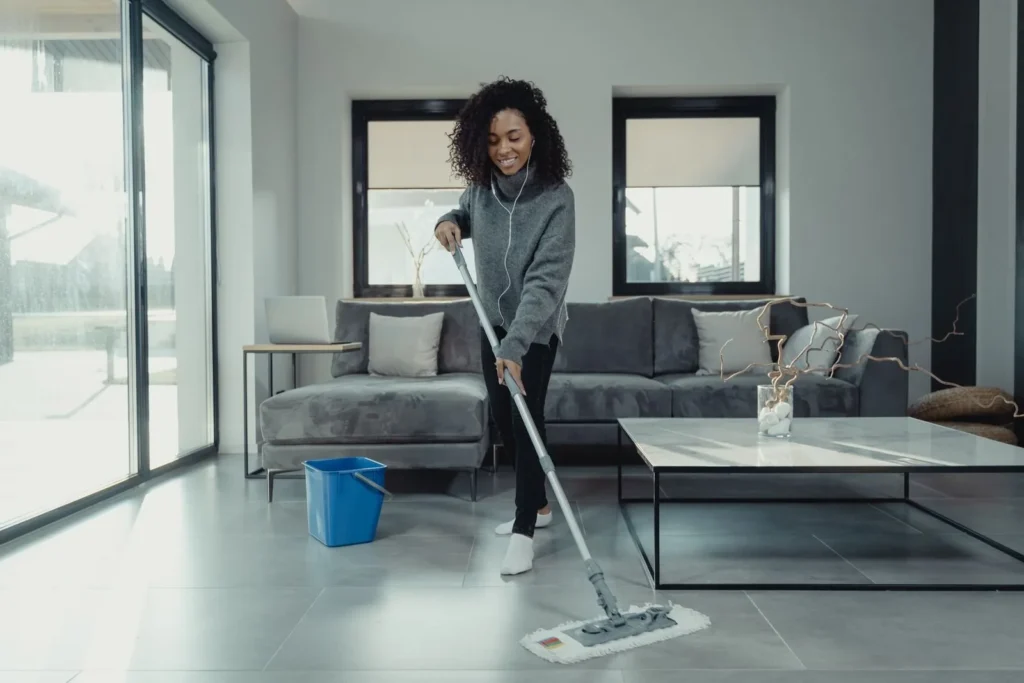
If your eyes are itchy and your nose will not stop running this October, you are not imagining it. Ragweed is the primary fall pollen producer in Georgia, peaking through September and October — and this year’s forecast puts Atlanta among the cities hit hardest by weed pollen. To truly reduce allergens in your home, you have to fight them where they settle: floors, fabrics, and the air itself. Here is the uncomfortable truth: most fall pollen does not stay outside. It rides in on shoes, jackets, backpacks, and pet fur, then settles into carpet fibers and bedding. Vacuuming once in a while will not cut it. If your carpets have not had a real deep clean in a while, our carpet and floor cleaning service pulls allergens out from deep in the fibers — but there is plenty you can do yourself first. Here is the pro playbook. Why Fall Hits Riverdale Homes the Hardest Ragweed season in Georgia starts in August, peaks in September and October, and only tapers off in late October or early November when cooler weather arrives. A single ragweed plant can release over a billion pollen grains in a season, and those grains travel for miles on dry, windy days. Clayton County adds its own twist: dust mites, pollen, and pet dander are all prevalent in this area, so indoor air quality takes a double hit. Add Georgia’s humidity, and you get mold spores joining the party — especially in bathrooms and basements. Fall is not just one allergen; it is a whole lineup. The good news: unlike the pollen cloud outside, your home is territory you control. Every step below makes a measurable difference. Start With the Air: Filters and Humidity Your HVAC system is either your best defense or your biggest allergen distributor. A dirty filter just recirculates pollen and dust through every room. If your vents puff out a little dust cloud when the system kicks on, that is a sign the ductwork and returns need attention too. Dust Like You Mean It: Damp, Top to Bottom Dry dusting just launches allergens into the air, where they resettle an hour later. The pro method is damp and deliberate: Upholstered furniture deserves the same treatment. Vacuum it with an upholstery attachment monthly — or let a professional handle it during a deep clean. Stop Pollen at the Front Door Most of the pollen in your home walked in through the front door. A few small habits cut that traffic dramatically: These habits cost nothing and do more than most people expect. The front door is where the battle is won or lost. When DIY Is Not Enough: Call in the Pros There is a limit to what cloths and vacuums can reach. Carpets, rugs, and upholstery hold allergens deep in their fibers — dust mites, pollen, and pet dander settle in and stay, wearing your floors down and aggravating allergies no matter how often you vacuum the surface. Our team does in a few hours what takes a homeowner a full weekend: commercial-grade hot-water extraction for carpets, machine scrubbing and grout detailing for hard floors, and detailed dusting of the spots everyday cleaning misses. We bring every supply, we confirm flat pricing before we begin, and our trained, uniformed team treats your home like our own. Call for a FREE Quote — (770) 733-6076 Frequently Asked Questions How long does ragweed season last in Georgia? Ragweed is Georgia’s primary fall pollen producer from September to mid-October. It typically tapers off in late October or early November when cooler weather sets in — so relief is usually just a few weeks away. Does vacuuming really help with allergies? Yes, if you do it right. Use a vacuum with a HEPA filter, vacuum carpeted floors at least weekly (twice weekly in bedrooms), and use an upholstery attachment on furniture monthly. A standard vacuum without HEPA filtration can blow fine allergens back into the air. Should I keep my windows open or closed during pollen season? Closed. Open windows let ragweed pollen pour straight in, especially on dry, windy days. Run your HVAC with a clean pleated or HEPA-grade filter instead, and crack a window only on low-pollen days if you need fresh air. What indoor humidity level keeps mold and dust mites down? Below 60%. The University of Georgia Extension recommends keeping your home under 60% humidity to prevent mold growth and slow dust mites. A simple hygrometer tells you where you stand; a dehumidifier handles the rest in damp rooms.
How to Disinfect Your Home During Flu Season: A Riverdale, GA Guide
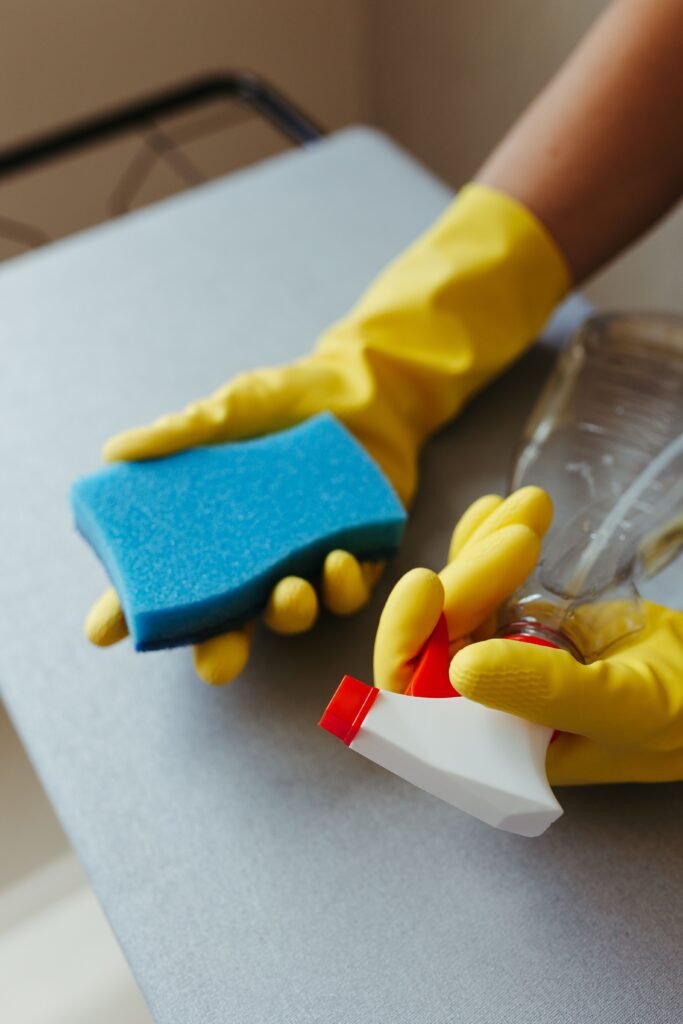
October in Riverdale means cooler evenings, Friday night lights, and — like it or not — the start of flu season. Every year the same story plays out in Clayton County homes: one kid brings a bug home from school, and within days the whole house is down. The good news? Learning how to disinfect your home during flu season the right way can slow that spread dramatically. Here is what most people get wrong: wiping a counter with a damp cloth is not disinfecting. Real disinfecting is a two-step process, and it targets the spots everyone touches but nobody thinks about. If you would rather skip the science project, our disinfecting and sanitizing service handles the whole home for you — but if you are doing it yourself, here is exactly how the pros do it. Clean First, Disinfect Second — The Order Matters This is the single biggest mistake in DIY flu-season cleaning: spraying disinfectant onto a dirty surface. Disinfectants cannot punch through grease, dust, and grime to reach the germs underneath. Clean first with soap and water, then disinfect — that order is non-negotiable. Step one: wipe the surface with a general cleaner to remove dirt. Step two: apply an EPA-registered disinfectant and let it sit. Every disinfectant label lists a “dwell time,” usually 3 to 5 minutes of wet contact. Spray-and-immediately-wipe does almost nothing. Choose a product whose label says it is effective against influenza A, and never mix products. Gloves on, a window cracked for ventilation, and you are set. The CDC’s flu prevention guidance covers the official version of this routine if you want to go deeper. The 10 Spots Flu Germs Love Most in Your Home Flu viruses can survive up to 48 hours on hard surfaces. These are the high-touch surfaces worth disinfecting daily: Doorknobs and handles Light switches Faucet handles Refrigerator and microwave handles TV remotes and game controllers Phones and tablets Stair railings Toilet flush handles Countertops and desks Car steering wheel and door handles Work top to bottom, room by room, so you never re-contaminate what you just cleaned. Do Not Forget the Soft Stuff Hard surfaces get all the attention, but fabrics hold germs too — usually for 8 to 12 hours. Wash bedding weekly in hot water. Bath towels get their own hot cycle. Wash the sick person’s laundry separately. Sanitize the hamper itself. Replace the toothbrush once someone recovers, and swap kitchen sponges weekly. Stop Germs at the Front Door Shoes off at the door. Backpacks get wiped down. Purses and bags get a landing zone. Wash hands the moment you walk in — 20 seconds, soap and water. Crack a window daily. If someone in the house is already sick, give them their own bathroom when possible and disinfect it daily. When DIY Is Not Enough: Call in the Pros Our team does in a few hours what takes a homeowner a full weekend: every high-touch surface, bathrooms top to bottom, kitchen detailing, floors, and the soft surfaces most people never get to. We bring every supply, we confirm flat pricing before we begin, and our trained, uniformed team treats your home like our own. Call for a FREE Quote — (770) 733-6076 Frequently Asked Questions How long does the flu virus live on surfaces? Up to 48 hours on hard surfaces, 8 to 12 hours on soft surfaces. Does vinegar kill the flu virus? No, use EPA-registered disinfectant. How often should I disinfect? High-touch surfaces daily, deeper weekly. Should I throw away pillows after flu? No, wash in hot water.